Gems in Coin Tavern
Run-long modifiers beyond coins and stage relics
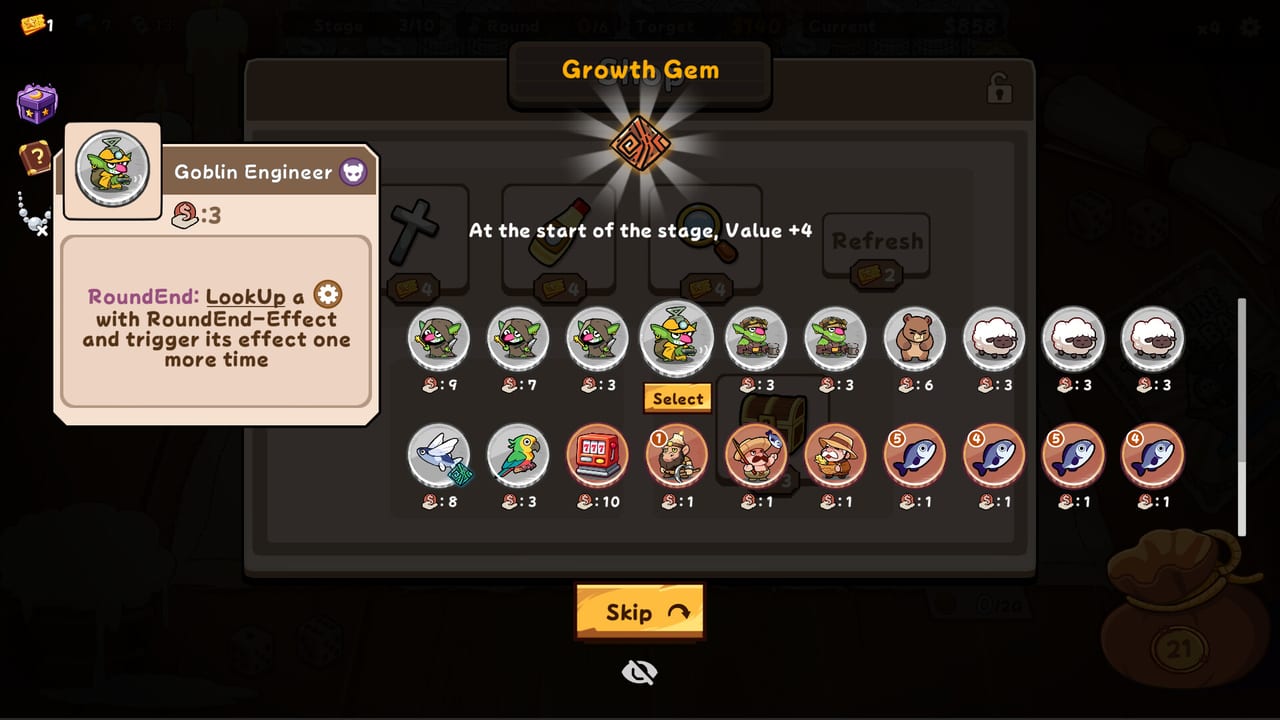
Gems in Coin Tavern sit beside your coin deck and stage relics as a third progression layer. Where coins flip every round and relics are bought with tickets after you clear debt, gems tend to modify rules across multiple stages—changing how flips resolve, how shops behave, or how factions interact over an entire run. The public demo shipped roughly eight of sixteen planned gems, so this guide emphasises roles and decision framing rather than a complete catalogue of names that will expand post-launch.
Pair this page with Relics Overview, faction guides under Coins, and How to Play for the core debt loop.
How gems differ from coins and relics
| Layer | When you get it | Typical effect scope | Run impact |
|---|---|---|---|
| Coins | Draft most rounds | Flip triggers, board bodies | Defines daily damage and combo lines |
| Relics | Ticket shop after stage clear | Stage-to-stage bonuses | Shapes mid-run pivots and spike turns |
| Gems | Special offers / milestones (demo) | Multi-stage rule changes | Alters how all other layers behave |
Coins are your verbs—what literally flips. Relics are adjectives—“this run cares about destroys” or “extra flip on first landing.” Gems are closer to settings—they can rewrite economy, caps, or shop odds for long stretches.
Because gems persist differently from individual coins, a gem pick is closer to choosing a run archetype than grabbing another body for the board.
What the demo established
Steam demo notes listed eight gems with sixteen planned for the full game alongside roughly 150 coins and 200 relics. Early access discussion treated gems as high-commitment picks: fewer total slots than coins, harder to pivot away from once the run assumes a gem ruleset.
Observed gem themes in preview material and community clips include:
- Flip modifiers — bonuses when pattern or number sides land, or guarantees on first jump each round.
- Economy shifts — extra tickets, hammers, or shop refreshes over several stages.
- Faction bias — rules that reward one tag family (animals, metals, destroys) without replacing faction coins entirely.
- Risk contracts — stronger payouts tied to tighter debt margins or fewer flip rounds.
Exact offerings will change with Woven Dream Isle patches; verify numbers on the Steam store page after major updates.
Post-launch timing and counters (Patches 1.0.05–1.0.06)
Patch 1.0.05 (July 30, 2026) adjusted how several gems interact with round flow. Devotion Gem now resolves before a round begins — one timing slot earlier than launch-week behaviour. Magic Mirror lasts one round only; plan cash-out within the same stage, not across multiple debt targets. Sequence gem effects ahead of round-start coin triggers when you plan engines around Devotion. Double Gem paired with Clay Giant no longer produces the excessive face-value growth seen in pre-patch clips; treat that combo under current scaling rules, not legacy exploit assumptions.
Patch 1.0.06 (August 4, 2026) corrected gem counter behaviour that could misread run state: Racial Gem counters for Frankenstein and Human Transmutation, and the Heritage Gem Safe counter, now track correctly. If a gem looked “stuck” or under-reported after a transform line, update the client before blaming your build.
Full release ships roughly sixteen gems (up from the demo’s eight-of-sixteen snapshot). See Patch Notes for the full list and re-test favourite lines after updating.
Archetypes to evaluate when a gem appears
Flip consistency gems
These reduce whiff turns—important for Machines merge lines and Humans crew setups that need specific sides up. Ask whether consistency helps this stage target or only late-run fantasy turns.
Economy and shop gems
Extra tickets or discounts amplify Relic Synergies because you see more shop choices. Economy gems underperform if you already skip shops by failing debt—fix fundamentals in Beginner Tips first.
Faction bias gems
Bias gems reward going deep on Beasts, Monsters, or another family. Take them when your bag already has six or more matching bodies and a plan for field caps.
Risk / reward gems
High upside gems that tighten timers or debt margins suit experienced players clearing surplus early. They punish runs that rely on slow spawn engines without cleanup coins.
When to pick a gem over a coin or relic opportunity
Demo structure sometimes forces either/or moments—gem offer versus strong coin draft, or gem versus extra relic ticket path. Use this checklist:
- Run identity: does the gem reinforce coins you already own?
- Stages left: multi-stage gems need time to amortise; short runs favour immediate coin value.
- Debt safety: risk gems are traps if you barely cleared the last target.
- Relic plan: if your next shops want specific relic types, economy gems that add tickets may outvalue a marginal coin.
Log gem + faction pairings in the Deck Planner and compare to Best Builds.
Synergies with factions and relics
Beasts + spawn gems: widen token engines but worsen field caps—budget cleanup coins.
Monsters + destroy gems: convert fodder into profit; pair with relics that trigger on destroy from Relics Overview.
Machines + merge or metal gems: raise ceiling on ladder cores; avoid gems that reward clutter you cannot merge away.
Humans + economy gems: smooth mid-game debt; jump enablers capitalize on consistent pattern hits.
Cross-check power bands on the Coins Tier List and Relics Tier List after gem picks shift your priorities.
Collection and full-release expectations
Coin Tavern released on 23 July 2026 on Steam with roughly sixteen gems in the full roster. Gems will likely continue to receive rebalances alongside coins and relics. Treat unreleased gem slots as design space, not missing power you must datamine.
When new gems ship, update your run notes with which rule they changed (flip, shop, cap, faction) so tier discussions stay comparable across patches.
Related guides
Return to the Coins Hub for faction detail, How to Combo for sequencing, and Relic Synergies for shop picks that amplify gem rules.
Frequently Asked Questions
Quick answers to the most common questions.
How many gems are in Coin Tavern?
The full release ships roughly **sixteen gems**. The demo included about eight. Expect ongoing rebalances — check Patch Notes after August 2026 hotfixes.
Do gems replace relics?
No. Relics remain **stage shop** picks funded by tickets. Gems modify broader run rules while relics stack incremental effects.
Can I respec or remove a gem mid-run?
Demo rules treated gems as **commitments**. Unless a future patch adds removal tools, assume gems are permanent for that run.
Did August 2026 patches change gem timing or counters?
Yes. Patch 1.0.05 moved Devotion Gem earlier and shortened Magic Mirror to one round. Patch 1.0.06 fixed Racial Gem counters for Frankenstein and Human Transmutation and corrected the Heritage Gem Safe counter. Update before judging a gem line broken.