Coin Tavern Monsters Faction
Multipliers, spawns, and destroy loops for explosive flip turns
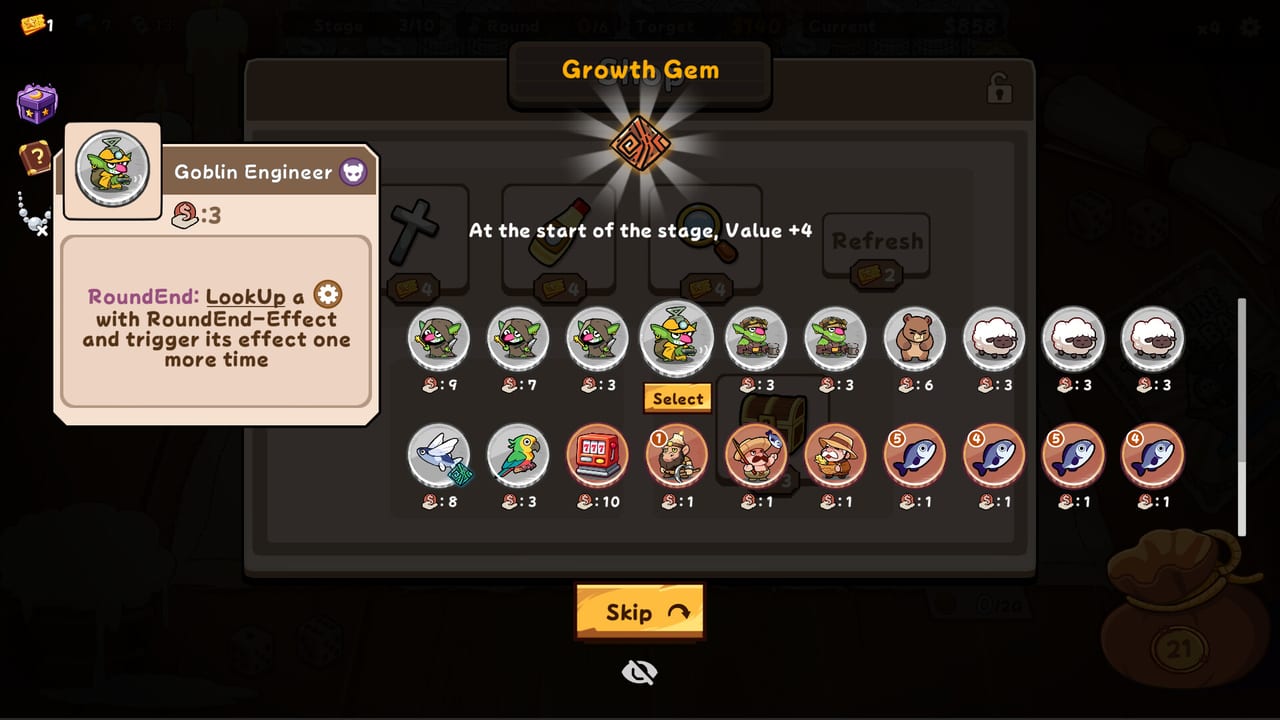
The Monsters faction in Coin Tavern is where volatility lives. Slimes, undead, spirits, and cursed artifacts lean into multipliers, spawn chains, and destroy-to-profit loops that can turn a mediocre board into a debt-clearing spike—or wipe your setup if you trigger removal at the wrong moment. Demo footage often labels Monster-heavy boards as “purple strategy”: stack duplicates, count bodies, then cash out when the field is crowded.
Read Humans for stable economy, Beasts for animal tokens, and Machines for deterministic metals. Combine insights with How to Combo and the Coins Tier List.
Faction fantasy and identity
Monsters embody the tavern’s dangerous back room—things that multiply when they eat, die, or duplicate. Unlike Beasts, which care about animal lifecycles, Monsters care about counts and conversions: how many skulls sit on the field, how many slimes popped bees, whether a destroy effect hit the right tag.
Monster identity rewards players who plan two turns ahead. A destroy coin is not “bad RNG”; it is a timing tool that must fire after spawn coins populate fodder.
Core archetypes
Multiplier engines
Monster multipliers scale with duplicate types, dead tokens, or total bodies of a tag. Early demo runs paired multiplier cores with cheap spawn coins so the count rises every round without expensive shops. Multipliers are low face value—debt math still needs a few high-value guests from Humans or Machines.
Spawn and swarm lines
Slime-style coins spawn secondary tokens—bees, blobs, or basic coins—then remove themselves after a set number of triggers. These lines snowball when relics add extra flips or when jump enablers re-trigger spawn effects. Without thinning, swarms clog the field cap and block merges.
Destroy payouts
Monster destroy effects trade board pieces for immediate money or permanent upgrades. Some destroy low-value fodder profitably; others hit random targets and feel like losses. Public discussion treats destroy coins as finishers or setup taxes: use them when fodder exists, avoid them when your only bodies are multiplier cores.
Undead counting and skull synergies
Undead archetypes reward skull counts or dead tokens with bonus flips or scaled gains. They pair with spawn lines that intentionally sacrifice bodies, and with relics that trigger when coins are destroyed. Skull engines stall if you never let bodies die—balance spawning with scheduled destruction.
Self-destruct timers
Many Monster coins carry limited uses—destroy self after N flips or rounds. These are runaway growth pieces with an expiration date. Track timers against stage flip limits so a core piece does not vanish the round before a boss debt check.
Play patterns that work
Spawn → multiply → destroy cash-out: populate fodder with slime or swarm coins, let multipliers read the count, then fire a destroy payout once value exceeds the next debt target.
Monster core + Human jump: Monster pieces supply count; Human jump enablers supply action economy. See Relic Synergies for relics that add flips after destroys.
Controlled field cap: when the board approaches the active coin limit, stop adding spawns and pivot to destroy or merge payoffs. Deck Management matters more here than in Human merchant runs.
Relic stacking on destruction: pick relics between stages that reward destroys, duplicate spawns, or extend timers on self-destruct coins. Monster runs live or die by shop alignment—compare options on the Relics Tier List.
Strengths, weaknesses, and splashes
Strengths: highest burst ceiling in demo discussion, excellent with destroy-relics, scales vertically when duplicates appear in shops.
Weaknesses: fragile setup, over-spawn clogs the field, random destroy targets can gut multiplier cores, weak early stage if you draft only long-term engines.
Common splashes: Humans for jump and plunder finishers, Machines for merge and metal value, Beasts when destroy effects key off animal tags instead of skulls.
Draft heuristics for Monster coins
- Count support now: if you own a multiplier, the next pick should raise counts or face value—not another multiplier with nothing to read.
- Timer awareness: note self-destruct limits on existing cores before adding more timed coins.
- Debt timing: ask whether a destroy coin clears this target or only helps a future stage.
- Hammer value: removing a stuck spawn coin is often worth more than adding a fifth slime line.
Sketch Monster routes in the Deck Planner and compare finished ideas with Best Builds.
Related guides
For shop timing and ticket math, read Relics Overview. For stage fundamentals, start with How to Play. Monster players benefit most from How to Combo once a spawn core is online.
Frequently Asked Questions
Quick answers to the most common questions.
Why is Monster called purple strategy in community clips?
Early demo UI grouped many multiplier and slime coins with purple styling. Players used "purple" to mean **duplicate scaling** even when the coin art changed later.
How do I avoid destroying my own multiplier core?
Draft **targeted** destroy effects after fodder exists, use hammers on random destroy coins, and hold jump enablers until you can flip high-value bodies separately from destroy triggers.
Are Monster coins bad for early stages?
Pure Monster drafts can be slow until counts rise. Mitigate with one **Human economy** or **Machine copper** body, or a relic that adds flat money per flip.
Do Monsters synergize with gems?
Yes when gems reward **extra spawns**, **destroy triggers**, or **longer timers**. See Gems for run-long modifiers that outlast individual Monster coins.